













Dev Uthani Ekadashi 2026: Date, Tithi, Vrat & Puja Vidhi
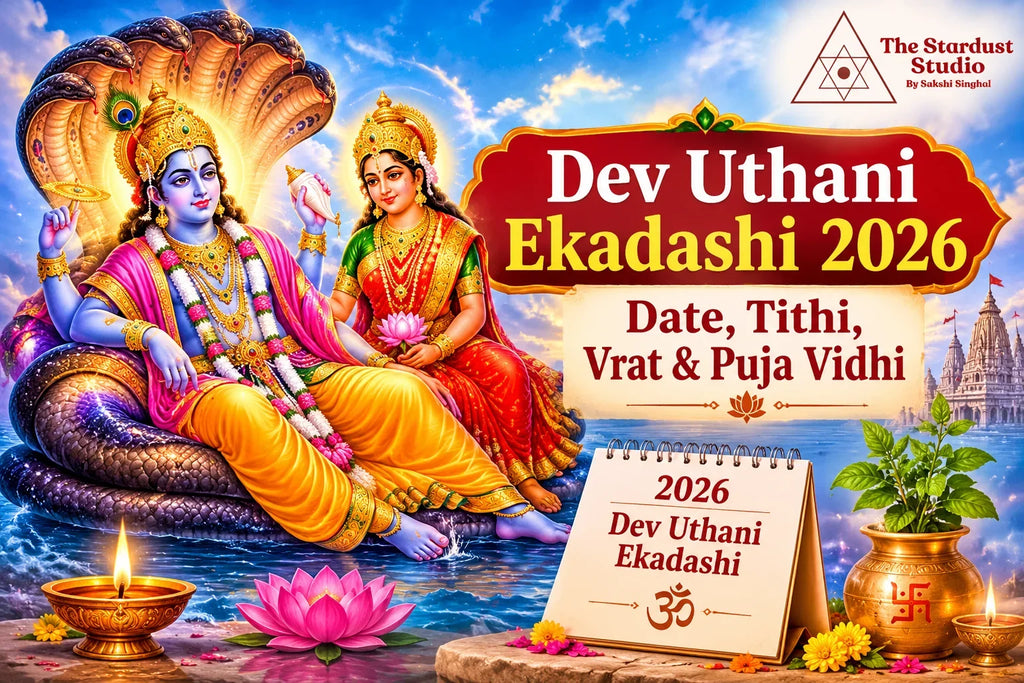
Devutthana Ekadashi, also known as Dev Uthani Ekadashi, Prabodhini Ekadashi or Devotthan Ekadashi, is one of the most significant Ekadashi observances dedicated to Lord Vishnu. Celebrated during Kartik Shukla Paksha, the festival marks the symbolic awakening of Lord Vishnu after the four-month Chaturmas period.
If you're wondering when is Dev Uthani Ekadashi in 2026, it falls on Friday, November 20, 2026, according to the commonly followed New Delhi Panchang.
The festival is associated with the conclusion of Chaturmas, the resumption of auspicious ceremonies in many Hindu communities, and preparations for Tulsi Vivah.
On this sacred occasion, devotees observe the Dev Uthani Ekadashi Vrat, worship Lord Vishnu, offer Tulsi leaves, chant Vishnu mantras and perform prayers according to their household traditions.
Devotional essentials such as a Tulsi Mala, Silver Tulsi Plant and Silver Bansuri can also complement a Vishnu- or Krishna-inspired home mandir. A Tulsi Mala is traditionally associated with Vishnu Japa, while a Silver Tulsi Plant represents sacred Tulsi symbolism. A Silver Bansuri is inspired by Lord Krishna's flute and may remain in a Krishna devotional arrangement.
These spiritual pieces can enhance a permanent devotional collection, but they are not compulsory ingredients of Devutthana Ekadashi Puja.
This complete guide explains the Dev Uthani Ekadashi 2026 date, Tithi, Puja Muhurat, Dev Uthani Ekadashi Puja Vidhi, fasting rules, Parana, traditional mantras and spiritual significance.
Important: Ekadashi observance dates, fasting rules and Parana timings may differ between Smarta and Vaishnava traditions. Consult the Panchang appropriate to your location and sampradaya before observing a time-sensitive fast.
When Is Dev Uthani Ekadashi in 2026?
Dev Uthani Ekadashi 2026 Date: Friday, November 20, 2026.
Devutthana Ekadashi is observed during Kartik Shukla Paksha and is traditionally associated with Lord Vishnu's awakening from Yoga Nidra.
It is also known as:
- Prabodhini Ekadashi
- Devotthan Ekadashi
- Dev Uthani Gyaras
- Kartik Shukla Ekadashi
- Devutthana Ekadashi
The observance marks an important transition in the Hindu religious calendar.
Dev Uthani Ekadashi 2026 Date and Time
| Events | Date |
|---|---|
| Dev Uthani Ekadashi 2026 | Friday, November 20 |
| Lunar month | Kartik Shukla Paksha |
| Ekadashi Tithi | November 20 observance |
| Vrat Parana | Following day, subject to Panchang |
| Tulsi Vivah | November 21 in many Dwadashi-based traditions |
The precise Ekadashi Tithi boundaries and Parana Muhurat should be checked for the city and fasting tradition being followed.
What Is Devutthana Ekadashi?
Devutthana Ekadashi is a Hindu observance dedicated to Lord Vishnu.
The name combines two concepts:
Devutthana: The awakening of the deity.
Ekadashi: The eleventh lunar Tithi.
According to Vaishnava traditions, Lord Vishnu enters a period of Yoga Nidra beginning around Devshayani Ekadashi and symbolically awakens on Devutthana Ekadashi.
The intervening period is known as Chaturmas.
Devutthana Ekadashi therefore represents renewal, auspicious beginnings and the transition into a period when many communities resume weddings and other ceremonies.
Why Is Dev Uthani Ekadashi Celebrated?
The festival has several important devotional meanings.
1. Symbolic Awakening of Lord Vishnu
The central significance is Lord Vishnu's awakening from Yoga Nidra.
2. Conclusion of Chaturmas
Devutthana Ekadashi marks the traditional conclusion of the four-month Chaturmas period in many observances.
3. Beginning of Auspicious Ceremonies
Weddings and other ceremonies traditionally resume in many Hindu communities after this period.
4. Devotion to Lord Vishnu
The day is dedicated to Vishnu worship, fasting and mantra chanting.
5. Connection with Tulsi Vivah
The festival is closely associated with Tulsi Vivah, which is celebrated on Ekadashi or Dwadashi depending on regional tradition.
Spiritual Significance of Devutthana Ekadashi
Devutthana Ekadashi symbolizes spiritual awakening, discipline, gratitude and renewal.
- Spiritual Awareness : Lord Vishnu's symbolic awakening represents the transition from rest to renewed activity.
- Devotion : The vrat and puja provide an opportunity to focus on Vishnu Bhakti.
- Discipline : Fasting is traditionally associated with self-restraint and devotional commitment.
- Auspicious Beginnings : The festival is connected with the reopening of the traditional wedding season.
- Gratitude : Devotees express gratitude through prayer, offerings and charitable activities.
Dev Uthani Ekadashi Puja Samagri
A simple Vishnu Puja arrangement may include:
-
Lord Vishnu or Krishna idol or image
- Diya
- Cotton wick
- Ghee or oil
- Fresh flowers
- Tulsi leaves where traditionally offered
- Chandan
- Akshat
- Fruits
- Suitable bhog
- Water vessel
- Puja thali
- Other materials prescribed by your household
Permanent devotional pieces such as Tulsi Mala, Silver Tulsi Plant and Silver Bansuri can remain respectfully arranged in the home mandir.
Tulsi Mala for Dev Uthani Ekadashi
A Tulsi Mala holds special significance in Vishnu and Krishna devotional traditions.
It is commonly used for mantra Japa and may be worn or kept in a home mandir according to sampradaya rules.
During Devutthana Ekadashi, devotees may use a Tulsi Mala to chant Vishnu or Krishna mantras.
A Tulsi Mala is a devotional accessory and should not automatically replace fresh Tulsi leaves where they are prescribed as offerings.
Silver Tulsi Plant for Vishnu Puja
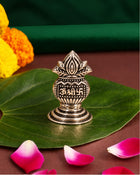
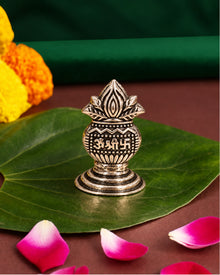
A Silver Tulsi Plant is a permanent devotional representation of the sacred Tulsi plant.
It can remain in a Vishnu-inspired home mandir as a symbol of devotion and auspiciousness.
However, a silver representation should not automatically replace living Tulsi or natural Tulsi leaves in rituals where these are specifically required.
Silver Bansuri for Krishna Devotion
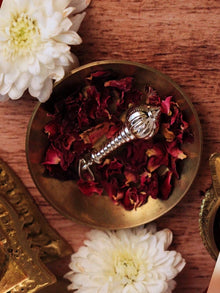
A Silver Bansuri represents Lord Krishna's flute, an important symbol of Krishna Bhakti.
It may be kept near a Krishna idol or image in a permanent devotional arrangement.
Its symbolism can complement Krishna-focused prayer during Devutthana Ekadashi, although it is not a required ritual ingredient.
Dev Uthani Ekadashi Puja Vidhi: Step-by-Step Guide
The Dev Uthani Ekadashi Puja Vidhi varies according to family and Vaishnava tradition.
A simple home observance may include the following.
Step 1: Wake Up Early
Begin the day according to your household devotional practice.
Bathe or wash and wear clean clothes.
Step 2: Clean the Home Mandir
Prepare a clean and peaceful puja area.
Step 3: Establish Lord Vishnu
Place Lord Vishnu's idol or image respectfully on an elevated platform.
Step 4: Take Sankalpa
Begin the vrat with a prayer and intention to observe Devutthana Ekadashi according to your tradition.
Step 5: Light a Diya
Light a diya safely and keep the flame away from flammable decorations.
Step 6: Offer Flowers and Tulsi
Offer suitable flowers and Tulsi leaves according to your sampradaya.
Some traditions have specific rules concerning the collection of Tulsi leaves on Ekadashi, so follow your established practice.
Step 7: Chant Vishnu Mantras
Chant Lord Vishnu's name or another mantra prescribed by your tradition.
Step 8: Listen to Ekadashi Vrat Katha
Reading or listening to the relevant Ekadashi Katha is part of many household observances.
Step 9: Perform Aarti
Complete the puja with Aarti and prayer.
Step 10: Observe the Vrat
Follow the fasting method appropriate to your tradition and health circumstances.
Step 11: Perform Parana
Break the fast on the following day during the prescribed Parana period.
Dev Uthani Ekadashi Mantra
A commonly recited Vishnu mantra is:
ॐ नमो भगवते वासुदेवाय॥
Om Namo Bhagavate Vasudevaya
Another simple invocation is:
ॐ नमो नारायणाय॥
Om Namo Narayanaya
Devotees may chant these according to personal or household practice.
Dev Uthani Ekadashi Vrat 2026: Fasting Rules
The Dev Uthani Ekadashi Vrat is observed in different ways.
Some devotees follow a strict fast, while others consume fruits, milk or suitable fasting foods.
Common fasting practices may include:
- Fruit-based fasting
- Milk and fruit
- One permitted fasting meal
- Other forms according to sampradaya
Grains and certain other foods are avoided in many Ekadashi fasting traditions.
However, dietary rules vary.
A strict fast is not medically appropriate for everyone. People with diabetes, pregnancy, breastfeeding, medical conditions or medication requirements should seek suitable healthcare advice before prolonged fasting.
What Can You Eat During Dev Uthani Ekadashi Vrat?
Depending on household tradition, commonly permitted foods may include:
- Fruits
- Milk
- Curd
- Makhana
- Nuts
- Sabudana
- Samak rice
- Kuttu preparations
- Singhara preparations
- Potatoes
Follow the rules of your particular Ekadashi observance.
What Is Ekadashi Parana?
Parana means the formal conclusion of the fast.
In many Ekadashi traditions, Parana is performed on the following Dwadashi day during the prescribed time.
The exact Parana period depends on sunrise, Tithi and the fasting tradition followed.
Do not assume that one nationwide Parana time applies to every location.
Dev Uthani Ekadashi and Tulsi Vivah
Devutthana Ekadashi is closely connected with Tulsi Vivah.
Tulsi Vivah is the symbolic marriage of the sacred Tulsi plant to Lord Vishnu, often represented by Shaligram or Lord Krishna.
Some households celebrate Tulsi Vivah on Dev Uthani Ekadashi, while others observe it on Kartik Shukla Dwadashi.
In 2026, many North Indian Dwadashi-based calendars observe Tulsi Vivah on Saturday, November 21.
Can Tulsi Mala Be Used for Japa on Dev Uthani Ekadashi?
Yes. A Tulsi Mala is commonly used in Vishnu and Krishna devotional traditions.
Devotees may use it for mantra Japa according to their sampradaya.
Can Silver Tulsi Plant Be Kept During Dev Uthani Ekadashi Puja?
Yes. A Silver Tulsi Plant can remain respectfully in a home mandir.
It is a symbolic devotional object rather than a substitute for natural Tulsi offerings.
Can Silver Bansuri Be Kept Near Lord Krishna?
Yes. A Silver Bansuri may be kept near Lord Krishna's idol or image as a lasting devotional symbol.
It is not a compulsory Devutthana Ekadashi offering.
What Should You Do on Dev Uthani Ekadashi?
A meaningful observance may include:
- Morning prayer
- Vishnu Puja
- Tulsi-related devotional practices
- Mantra Japa
- Reading Ekadashi Katha
- Aarti
- Charity
- Observing the vrat according to tradition
- Preparing for Tulsi Vivah
Common Dev Uthani Ekadashi Mistakes
Using the Wrong Fasting Date
Smarta and Vaishnava calendars can differ.
Breaking the Fast at an Incorrect Time
Follow the appropriate Parana Muhurat.
Ignoring Health During Fasting
Strict fasting is not safe for everyone.
Replacing Natural Tulsi Without Guidance
A Silver Tulsi Plant does not automatically replace living Tulsi or fresh leaves.
Treating Decorative Products as Mandatory
Tulsi Mala, Silver Tulsi Plant and Silver Bansuri can complement the home mandir but are not compulsory Puja Samagri.
Why Explore The Stardust Studio for Dev Uthani Ekadashi Essentials?
At The Stardust Studio, our devotional collection includes meaningful products inspired by Lord Vishnu, Lord Krishna and sacred Tulsi traditions.
For Devutthana Ekadashi and your permanent home mandir, explore:
Tulsi Mala – traditionally used for Vishnu and Krishna Japa.
Silver Tulsi Plant – a lasting representation of sacred Tulsi symbolism.
Silver Bansuri – a Krishna-inspired devotional piece representing Lord Krishna's flute.
These products can complement your devotional collection while the central focus of Devutthana Ekadashi remains Lord Vishnu, prayer, fasting and spiritual reflection.
Final Thoughts
Dev Uthani Ekadashi 2026 will be observed on Friday, November 20, according to the Smarta tradition, while the Vaishnava or Gauna Ekadashi falls on Saturday, November 21.
The festival marks the symbolic awakening of Lord Vishnu after Chaturmas and represents spiritual renewal, devotion, gratitude and auspicious new beginnings.
For devotees observing the Dev Uthani Ekadashi Vrat 2026, the correct fasting date and Parana Muhurat are important. In New Delhi, the Smarta Parana window is 1:11 PM to 3:18 PM on November 21.
Whether you perform a simple Dev Uthani Ekadashi Puja Vidhi at home, chant Vishnu mantras, observe the vrat or prepare for Tulsi Vivah, the central purpose remains sincere devotion to Lord Vishnu.
To complement your home mandir, meaningful devotional products such as Tulsi Mala, Silver Tulsi Plant and Silver Bansuri from The Stardust Studio can become part of your permanent spiritual collection.
FAQs
1. When is Dev Uthani Ekadashi in 2026?
2. What is the Dev Uthani Ekadashi 2026 date and time?
3. What is the Dev Uthani Ekadashi Parana time in 2026?
4. What is Dev Uthani Ekadashi Puja Vidhi?
5. Why is Dev Uthani Ekadashi celebrated?


