








Tulsi Vivah 2026: Date, Puja Vidhi & Step-by-Step Guide
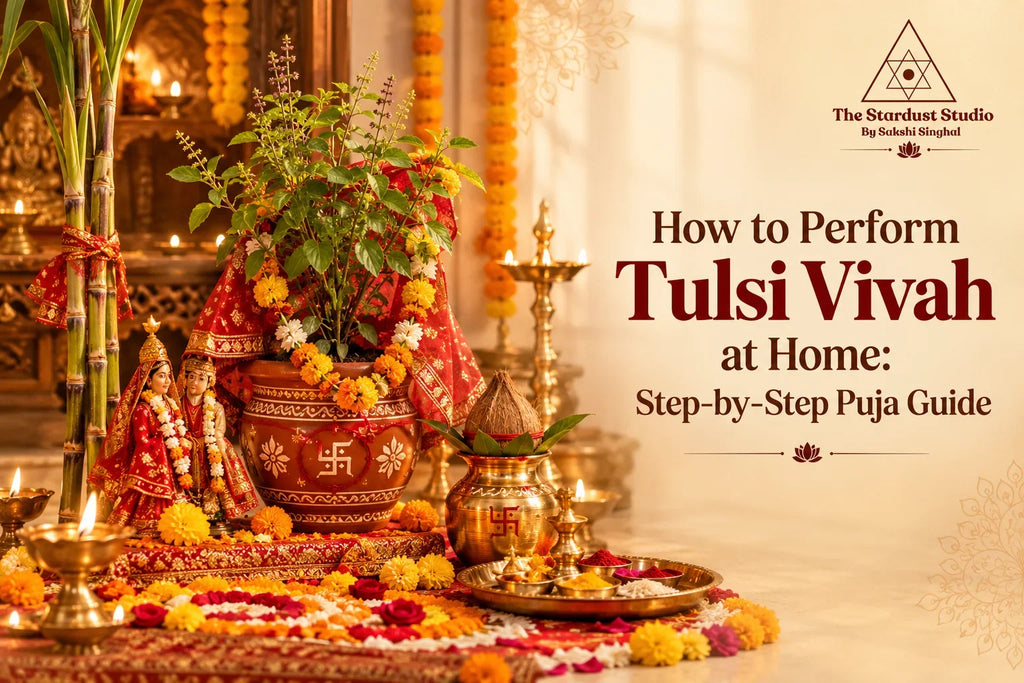
Tulsi Vivah is one of the most sacred Hindu celebrations associated with Goddess Tulsi and Lord Vishnu. The festival marks the ceremonial marriage of the sacred Tulsi plant to Lord Vishnu, often worshipped in the form of Shaligram or represented through Lord Krishna.
Celebrated during the Kartik month, Tulsi Vivah symbolizes devotion, purity, auspicious beginnings and the sacred relationship between Tulsi and Lord Vishnu.
For devotees wondering when is Tulsi Vivah in 2026, the festival is commonly observed on Saturday, November 21, 2026, according to the Kartik Shukla Dwadashi observance followed in many North Indian calendars.
The celebration is especially meaningful because it traditionally marks the beginning of the auspicious Hindu wedding season in many communities following the Chaturmas period.
During Tulsi Vivah, families decorate the Tulsi plant, prepare a small wedding-style mandap, offer flowers and sweets, chant mantras and perform the symbolic marriage ceremony.
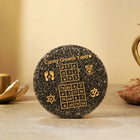
Devotional essentials such as Tulsi Mala, Tulsi Bracelet, Silver Tulsi Plant and Silver Bansuri can complement the home-mandir arrangement.
A Tulsi Mala is traditionally associated with Vishnu and Krishna devotion, while a Tulsi Bracelet can serve as a wearable reminder of faith. A Silver Tulsi Plant represents sacred Tulsi symbolism, and a Silver Bansuri is inspired by Lord Krishna's flute.
These objects can remain part of a devotional collection, although they do not replace the living Tulsi plant or the prescribed materials required for the actual Tulsi Vivah ceremony.
This complete guide explains the Tulsi Vivah 2026 date and time, Puja Vidhi, Samagri, traditional mantras, marriage rituals, significance and important precautions.
Important: Tulsi Vivah customs vary by region, family and Vaishnava sampradaya. Some traditions perform the ceremony on Ekadashi, while others observe it on Dwadashi. Check your local Panchang and follow your household tradition for the appropriate date and muhurat.
When Is Tulsi Vivah in 2026?
Tulsi Vivah 2026 Date: Saturday, November 21, 2026, in many North Indian Dwadashi-based calendars.
Tulsi Vivah is traditionally performed during the Kartik Shukla period.
Depending on the regional and devotional tradition, the ceremony may be observed on:
- Prabodhini or Dev Uthani Ekadashi
- Kartik Shukla Dwadashi
- Another prescribed day within the traditional Tulsi Vivah observance period
The exact date may therefore differ between communities.
Tulsi Vivah 2026 Date and Time
For those searching for the Tulsi Vivah 2026 date and time, the key distinction is between the festival date and the local puja muhurat.
Common Dwadashi Observance: Saturday, November 21, 2026.
Lunar Period: Kartik Shukla Ekadashi–Dwadashi, depending on tradition.
Puja Timing: Follow the local Panchang and the marriage-ceremony custom observed in your household.
Ceremony: Commonly performed with a decorated Tulsi plant and a representation of Lord Vishnu or Krishna.
Specific Tithi boundaries and auspicious timings depend on the location and Panchang system.
What Is Tulsi Vivah?
Tulsi Vivah is the ceremonial marriage of the sacred Tulsi plant to Lord Vishnu, commonly represented by Shaligram.
In some households, Lord Krishna's idol or image is used.
The celebration resembles a traditional Hindu wedding ceremony in symbolic form.
Families may decorate the Tulsi plant, prepare a mandap, offer wedding-style items and perform devotional prayers.
The festival is especially important in Vaishnava traditions.
Why Is Tulsi Vivah Celebrated?
Tulsi Vivah is celebrated to honour the sacred relationship between Tulsi and Lord Vishnu.
Its traditional significance includes:
1. Devotion to Lord Vishnu
Tulsi holds an important place in Vishnu and Krishna worship.
2. Auspicious Beginnings
The festival is associated with the reopening of the traditional wedding season in many communities.
3. Sacred Marriage Symbolism
The ceremony represents devotion and the union of divine principles.
4. Purity and Faith
Tulsi is revered as a sacred plant associated with devotional purity.
5. Family Traditions
Tulsi Vivah brings families together through prayer, decoration and ritual participation.
Story of Tulsi Vivah and Goddess Vrinda
One of the best-known narratives associated with Tulsi Vivah concerns Vrinda, also known as Tulsi.
Different Puranic and regional versions describe Vrinda as a devoted woman whose story is connected with Lord Vishnu and the sacred Tulsi plant.
The narrative includes themes of devotion, vows, transformation and divine relationships.
In traditional interpretations, Tulsi becomes deeply associated with Lord Vishnu and is revered in his worship.
Because the story varies between texts and communities, devotees may follow the version traditionally narrated in their household.
Spiritual Significance of Tulsi Vivah
Tulsi Vivah carries several important spiritual meanings.
- Devotion : The ceremony expresses reverence toward Goddess Tulsi and Lord Vishnu.
- Purity : Tulsi symbolizes sacredness and devotion in Vaishnava traditions.
- Auspiciousness : The festival is associated with the beginning of favourable marriage-related observances in many communities.
- Gratitude : Families offer prayers and express gratitude for spiritual and household well-being.
- Togetherness : The wedding-style ceremony creates an opportunity for shared family worship.
Tulsi Vivah Puja Samagri List
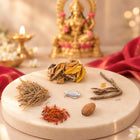
Before performing Tulsi Vivah at home, prepare the materials required by your family tradition.
A general list may include:
- Healthy living Tulsi plant
- Shaligram or Lord Vishnu/Krishna idol or image
- Clean puja chowki
- Decorative cloth
- Small mandap
- Flowers
- Garland
- Diya
- Cotton wick
- Ghee or oil
- Kumkum
- Akshat
- Chandan
- Fruits
- Sweets
- Water vessel
- Suitable bhog
- Other customary wedding-style offerings
Permanent devotional items such as Tulsi Mala, Tulsi Bracelet, Silver Tulsi Plant and Silver Bansuri can complement the home-mandir arrangement.
Tulsi Mala for Tulsi Vivah
A Tulsi Mala is traditionally associated with Vishnu and Krishna devotion.
It may be used for Japa or kept respectfully in a Vaishnava devotional collection.
During Tulsi Vivah, a Tulsi Mala can complement the prayer setup where appropriate.
However, a Japa Mala should not automatically replace the specific garland or other offerings required for the marriage ceremony.
Tulsi Bracelet for Devotional Wear
A Tulsi Bracelet is a wearable spiritual accessory inspired by the sacred Tulsi tradition.
It can be worn by devotees who appreciate its connection with Lord Vishnu and Lord Krishna.
During Tulsi Vivah, it may serve as a personal devotional accessory.
It is not a compulsory ritual ingredient.
Silver Tulsi Plant for Home Mandir
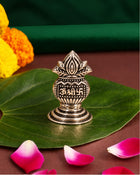
A Silver Tulsi Plant is a permanent silver representation of the sacred Tulsi plant.
It can remain in a home mandir as a devotional symbol.
However, a silver representation should not automatically replace a living Tulsi plant in a traditional Tulsi Vivah ceremony.
The actual ritual generally centres on the living plant.
Silver Bansuri for Krishna-Inspired Worship
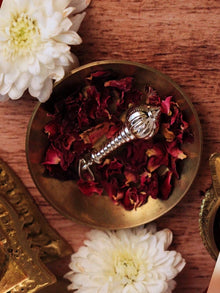
A Silver Bansuri is inspired by Lord Krishna's flute, an important symbol in Krishna Bhakti traditions.
It may be kept near a Krishna idol or within a dedicated devotional arrangement.
During Tulsi Vivah, it can complement the Krishna-inspired aspect of the home mandir.
It is not a mandatory Tulsi Vivah offering.
How to Perform Tulsi Vivah at Home: Step-by-Step Puja Vidhi
A simple Tulsi Vivah ceremony can be performed at home according to family tradition.
Step 1: Clean the Puja Area
Begin by cleaning the home mandir and the area surrounding the Tulsi plant.
Prepare a suitable space for the symbolic wedding ceremony.
Step 2: Bathe and Wear Clean Clothes
Follow your normal devotional preparation.
Wear clean or traditional clothes according to household custom.
Step 3: Decorate the Tulsi Plant
Decorate the Tulsi pot and surrounding area with flowers, suitable cloth or traditional ornaments.
Avoid tying decorations tightly around the plant or damaging its stems.
Step 4: Prepare the Mandap
Arrange a small wedding-style mandap or decorated platform.
Keep the Tulsi plant stable and ensure that decorations do not interfere with its growth.
Step 5: Establish Lord Vishnu or Shaligram
Place Shaligram or a suitable Lord Vishnu/Krishna representation respectfully near the Tulsi plant.
If using Shaligram, follow the handling and worship rules of your tradition.
Step 6: Take Sankalpa
Begin the ceremony with a prayer and the intention to perform Tulsi Vivah according to your household custom.
Step 7: Light a Diya
Light a diya safely and keep the flame away from the Tulsi leaves, cloth and decorations.
Step 8: Offer Flowers and Puja Materials
Offer flowers, Chandan, Akshat and other customary materials.
Avoid applying substances that may damage the living plant.
Step 9: Perform the Symbolic Marriage Ritual
Follow the wedding-style ritual observed in your family.
Some households include symbolic garland exchange, tying a ceremonial thread or other customary steps.
Step 10: Chant Mantras
Chant appropriate Vishnu, Krishna or Tulsi prayers according to your tradition.
Step 11: Offer Bhog
Offer suitable fruits, sweets or other Satvik preparations.
Step 12: Perform Aarti
Complete the worship with Aarti and devotional prayers.
Step 13: Distribute Prasad
Share the offered prasad with family members.
Tulsi Vivah Mantras
A simple Lord Vishnu mantra is:
ॐ नमो भगवते वासुदेवाय॥
Om Namo Bhagavate Vasudevaya
A simple Tulsi devotional invocation is:
ॐ तुलस्यै नमः॥
Om Tulasyai Namah
These may be used in personal devotional practice.
Formal Tulsi Vivah ceremonies may include additional mantras and procedures according to the family or priest.
Can Tulsi Vivah Be Performed Without a Priest?
Many households perform a simple Tulsi Vivah ceremony themselves.
The ritual can include decorating the plant, offering prayers, chanting mantras and performing Aarti.
For families following a formal marriage-style Vidhi with specific Vedic or sampradaya mantras, priestly guidance may be preferred.
What Is the Best Time to Perform Tulsi Vivah?
The appropriate time depends on the lunar date, local Panchang and household tradition.
Some families perform the ceremony during the evening, while others follow a specific auspicious period.
There is no single universal clock time applicable to every location.
Is Tulsi Vivah Performed on Ekadashi or Dwadashi?
Both observances exist.
Some communities celebrate Tulsi Vivah on Dev Uthani Ekadashi, while others perform the ceremony on Dwadashi.
Follow the practice established in your family or Vaishnava tradition.
Can You Perform Tulsi Vivah with a Silver Tulsi Plant?
A Silver Tulsi Plant is a symbolic devotional representation.
However, traditional Tulsi Vivah generally involves a living Tulsi plant.
If a living plant is unavailable, consult your household tradition or priest rather than assuming a silver representation is an equivalent replacement.
Tulsi Vivah Bhog and Prasad
Offerings vary by region and family.
Common options may include:
- Fruits
- Sweets
- Panchamrit where traditionally used
- Other Satvik preparations
Follow the dietary and ritual rules of your household.
Tulsi Vivah Decoration Ideas for Home
A simple, elegant setup can include:
- Clean puja chowki
- Small mandap
- Fresh flowers
- Traditional cloth
- Suitable garlands
- Diya placed safely away from the plant
- Lord Vishnu or Krishna representation
Avoid excessive decorations that may damage the living Tulsi plant.
Common Tulsi Vivah Mistakes to Avoid
Using the Wrong Date for Your Tradition
Ekadashi and Dwadashi observances may differ.
Replacing a Living Tulsi Plant Without Guidance
A silver representation is not automatically equivalent.
Damaging the Tulsi Plant During Decoration
Avoid tight threads, excessive substances or heavy ornaments.
Placing Diyas Too Close to Leaves
Maintain fire safety.
Treating Decorative Products as Mandatory
Tulsi Mala, Tulsi Bracelet, Silver Tulsi Plant and Silver Bansuri can complement the devotional collection but are not compulsory marriage-ceremony materials.
Why Explore The Stardust Studio for Tulsi Vivah Essentials?
At The Stardust Studio, our devotional collection includes meaningful products inspired by Tulsi, Lord Vishnu and Lord Krishna traditions.
For Tulsi Vivah and your permanent home mandir, explore:
Tulsi Mala – traditionally associated with Vishnu and Krishna Japa.
Tulsi Bracelet – a wearable devotional accessory inspired by sacred Tulsi.
Silver Tulsi Plant – a lasting representation of Tulsi symbolism.
Silver Bansuri – a Krishna-inspired silver devotional piece.
These products can complement your spiritual collection while the living Tulsi plant and Lord Vishnu remain central to the traditional Tulsi Vivah ceremony.
Final Thoughts
Tulsi Vivah 2026 will be celebrated on Saturday, November 21, according to the commonly followed Dwadashi-based observance. For New Delhi, the evening Godhuli and Pradosh periods are traditionally considered suitable for the ceremony.
Tulsi Vivah is a beautiful celebration of the sacred relationship between Goddess Tulsi and Lord Vishnu. Through the symbolic marriage ceremony, devotees express faith, gratitude, purity and devotion while welcoming an auspicious period associated with new beginnings.
Whether you perform an elaborate wedding-style ceremony or a simple Tulsi Vivah Puja at home, the most important elements are a living Tulsi plant, a suitable representation of Lord Vishnu or Shaligram, traditional offerings and sincere prayers.
To complement your devotional arrangement, you can explore meaningful spiritual essentials such as Tulsi Mala, Tulsi Bracelet, Silver Tulsi Plant and Silver Bansuri from The Stardust Studio. Each carries its own connection with Tulsi, Vishnu or Krishna devotional traditions and can remain part of your spiritual collection beyond the festival.
FAQs
1. When is Tulsi Vivah in 2026?
2. What is the Tulsi Vivah 2026 date and time?
3. What is the Tulsi Vivah Puja Muhurat in 2026?
4. How to perform Tulsi Vivah at home?
5. What is the significance of Tulsi Vivah?


