












Kalabhairav Jayanti 2026: Date, Tithi & Puja Vidhi
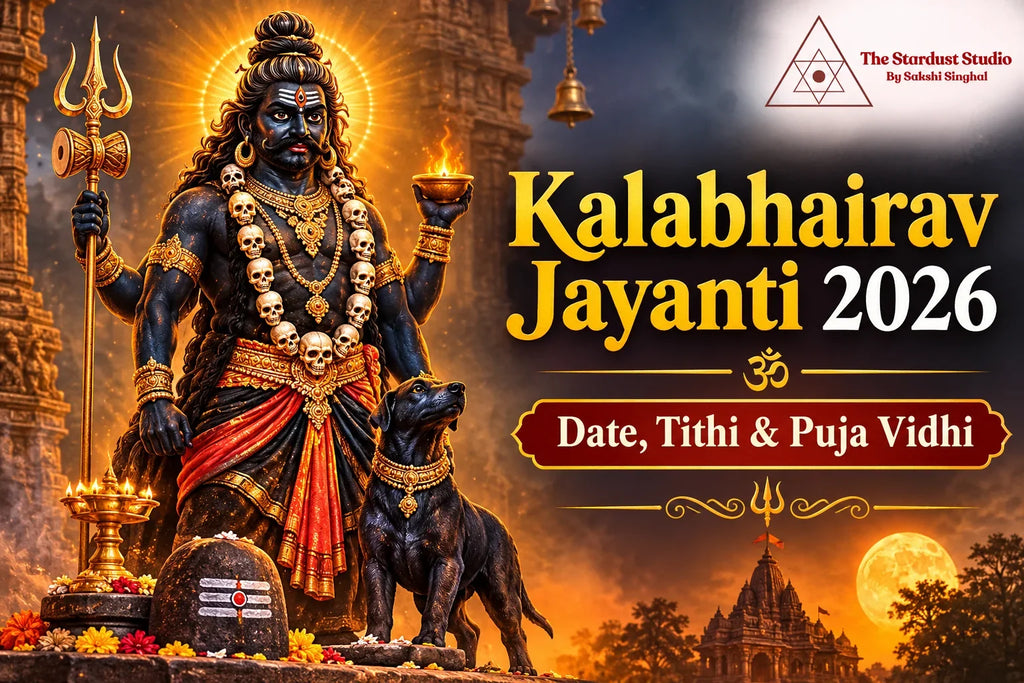
Kalabhairav Jayanti, also known as Kaal Bhairav Ashtami or Bhairav Ashtami, is a sacred Hindu observance dedicated to Lord Kaal Bhairav, a powerful and protective manifestation of Lord Shiva.
Lord Kaal Bhairav is traditionally associated with time, discipline, justice, spiritual protection and the destruction of ignorance. His worship holds particular importance in Shaiva and Shakta traditions.
Celebrated during the Krishna Paksha Ashtami of the Margashirsha month in the North Indian Purnimanta calendar, Kalabhairav Jayanti commemorates the manifestation of Lord Kaal Bhairav.
For devotees searching for Kalabhairav Jayanti 2026, the festival falls in late November or early December, depending on the relevant lunar calendar and local Panchang.
On this occasion, devotees worship Lord Kaal Bhairav, chant sacred mantras, observe a vrat and perform traditional offerings according to their family or temple customs.
Spiritual essentials such as Karungali Mala, Karungali Bracelet, Rudraksha Japa Mala, 7 Mukhi Rudraksha, Mahakali Tilak and Pure Bhimseni Camphor can complement a devotional arrangement where their intended use and the worship tradition permit.
A Rudraksha Japa Mala is traditionally associated with Shiva worship, while Karungali Mala and Karungali Bracelet carry protective symbolism in certain regional traditions. Mahakali Tilak may be used for personal devotional application if suitable for skin use, and Pure Bhimseni Camphor may be used for Aarti only when the specific product is intended for burning.
This guide explains the Kalabhairav Jayanti 2026 date, Tithi, Puja Muhurat, Kalabhairav Jayanti Puja Vidhi 2026, Kalabhairav Jayanti Mantra 2026, Kalabhairav Jayanti significance and Kalabhairav Jayanti Vrat Katha 2026.
Important: Kaal Bhairav worship varies across Shaiva, Shakta, regional and temple traditions. Some forms of worship involve specific initiation or priestly guidance. Follow your household tradition and local Panchang for the correct date and rituals.
When Is Kalabhairav Jayanti in 2026?
Kalabhairav Jayanti is observed on the Krishna Paksha Ashtami associated with the Margashirsha month in many North Indian calendars.
Because the festival's rituals are often performed at night, the observance date depends on when Ashtami Tithi prevails during the relevant nighttime period.
The exact festival date and muhurat should therefore be checked using a location-specific Panchang.
What Is Kalabhairav Jayanti?
Kalabhairav Jayanti commemorates the manifestation of Lord Kaal Bhairav, a fierce and protective form of Lord Shiva.
The name combines:
Kaal: Time, and in certain interpretations, the power beyond time.
Bhairav: A formidable manifestation of Shiva associated with protection, discipline and the destruction of ignorance.
The festival is especially significant for devotees who worship Lord Shiva in his Bhairav form.
Kalabhairav Jayanti Significance
The Kalabhairav Jayanti significance is rooted in Lord Bhairav's traditional symbolism.
1. Lord of Time
Kaal Bhairav is associated with time and the importance of living with awareness and discipline.
2. Spiritual Protection
Devotees worship Kaal Bhairav as a protective deity.
3. Destruction of Ignorance
His fierce form symbolizes the destruction of ego, arrogance and harmful tendencies.
4. Justice and Responsibility
Bhairav worship is associated with accountability and the consequences of actions.
5. Shiva Devotion
The festival provides an occasion for deepening devotion to Lord Shiva.
These meanings reflect Hindu religious beliefs rather than scientifically measurable supernatural effects.
The Story Behind Kalabhairav Jayanti
One of the best-known narratives associated with Lord Kaal Bhairav concerns Lord Brahma and Lord Shiva.
According to versions of the Bhairav manifestation story, Brahma became proud of his position and spoke disrespectfully of Shiva.
Lord Shiva manifested Bhairav, who removed one of Brahma's heads, symbolizing the destruction of arrogance.
The narrative also includes Bhairav's subsequent journey and release from the burden associated with Brahmahatya.
Different Puranic and regional versions describe the story with variations.
The central devotional interpretation emphasizes humility, responsibility and the consequences of ego.
Kalabhairav Jayanti Vrat Katha 2026
The Kalabhairav Jayanti Vrat Katha 2026 is traditionally connected with the manifestation of Lord Bhairav and the importance of overcoming arrogance.
In one popular telling, Brahma developed pride in his creative power and began to consider himself supreme.
A dispute arose concerning divine authority.
Lord Shiva manifested Kaal Bhairav, whose fierce presence challenged Brahma's arrogance.
The story describes Bhairav removing Brahma's fifth head.
Following this event, Bhairav undertook a journey associated with atonement and was ultimately released from the burden of the act.
Devotees interpret the narrative as a reminder that pride, anger and misuse of authority have consequences.
The vrat katha may be read or heard during Kalabhairav Jayanti according to family or temple tradition.
Kalabhairav Jayanti Puja Samagri
A simple devotional arrangement may include:
- Lord Kaal Bhairav idol or image
- Diya
- Cotton wick
- Suitable lamp oil or ghee
- Flowers
- Chandan or appropriate tilak
- Water
- Fruits
- Traditional bhog
- Puja thali
- Rudraksha Japa Mala
- Other materials prescribed by your tradition
Some Bhairav worship traditions include specific offerings that differ from ordinary home puja.
Follow established guidance rather than improvising specialized rituals.
Kalabhairav Jayanti Puja Vidhi 2026: Step-by-Step Guide
A simple Kalabhairav Jayanti Puja Vidhi 2026 can be performed at home according to household tradition.
Step 1: Clean the Puja Area
Prepare a clean and respectful devotional space.
Step 2: Bathe and Wear Clean Clothes
Follow your usual devotional preparation.
Step 3: Establish Lord Kaal Bhairav
Place an idol or image respectfully on a stable, elevated platform.
Step 4: Take Sankalpa
Begin with a prayer and intention to observe Kalabhairav Jayanti.
Step 5: Light a Diya
Light a diya safely and keep it away from flammable materials.
Step 6: Offer Flowers and Suitable Puja Materials
Offer flowers, water and other materials according to your tradition.
Step 7: Chant Kaal Bhairav Mantras
Recite a familiar Bhairav mantra according to your devotional practice.
Step 8: Listen to Vrat Katha
Read or listen to the traditional Bhairav manifestation story.
Step 9: Perform Aarti
Complete the worship with Aarti and prayer.
Step 10: Observe the Vrat
Follow the fasting method appropriate to your health and tradition.
Kalabhairav Jayanti Mantra 2026
A commonly recited devotional invocation is:
ॐ कालभैरवाय नमः॥
Om Kalabhairavaya Namah
Meaning: Salutations to Lord Kaal Bhairav.
Another short invocation is:
ॐ भैरवाय नमः॥
Om Bhairavaya Namah
Meaning: Salutations to Lord Bhairav.
Some Bhairav traditions also use longer mantras or specific tantric practices that require appropriate initiation.
For general home worship, a simple devotional invocation may be preferable unless guided otherwise.
Kalabhairav Jayanti Vrat Rules
Some devotees observe a fast on Kalabhairav Jayanti.
Fasting methods differ across communities.
Common approaches may include:
- Fruit-based fasting
- Milk and fruit
- One suitable Satvik meal
- Other customary fasting methods
Strict fasting is not appropriate for everyone.
People with diabetes, pregnancy, breastfeeding, medical conditions or medication requirements should seek appropriate healthcare advice before prolonged fasting.
Traditional Offerings During Kaal Bhairav Puja
Offerings vary widely across Bhairav traditions.
Some households offer flowers, fruits and sweets.
Certain temples and regional traditions use other specific offerings.
Do not assume that one offering method applies to every Bhairav form or sampradaya.
Can You Perform Kalabhairav Jayanti Puja at Home?
Yes. A simple devotional ceremony may include prayer, mantra chanting, flowers, diya and Aarti.
More specialized rituals should follow appropriate priestly or lineage guidance.
Karungali Mala for Kaal Bhairav Devotion
A Karungali Mala is a wooden devotional Mala associated with protection and grounding symbolism in certain South Indian and contemporary spiritual traditions.
It may be worn or kept as part of a personal devotional routine.
However, Karungali is not universally prescribed as a required Kaal Bhairav worship material.
Karungali Bracelet for Daily Spiritual Wear
A Karungali Bracelet is a wearable devotional accessory inspired by the traditional symbolism of Karungali wood.
It may be worn by people who appreciate its protective and grounding associations.
It is not a compulsory item for Kalabhairav Jayanti Puja.
Rudraksha Japa Mala for Bhairav Mantra Chanting
A Rudraksha Japa Mala is traditionally associated with Lord Shiva.
It can be used to count repetitions of suitable Bhairav mantras according to the devotee's tradition.
Many Japa Malas contain 108 counting beads and an additional Guru bead, although designs vary.
7 Mukhi Rudraksha for Devotional Practice
A 7 Mukhi Rudraksha is characterized by seven natural faces or lines.
Its spiritual associations vary across Rudraksha traditions.
Some contemporary interpretations connect it with prosperity, auspiciousness and devotional discipline.
It may be worn according to personal practice but is not a compulsory Kalabhairav Jayanti offering.
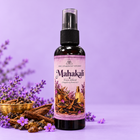
Mahakali Tilak for Puja
Mahakali Tilak is a devotional tilak product associated with Maa Mahakali.
If the product is formulated for skin application, it may be used during personal devotional preparation according to household tradition.
Check the ingredients and skin-use instructions before applying.
Do not assume it is required for Kaal Bhairav worship.
Pure Bhimseni Camphor for Aarti
Pure Bhimseni Camphor is an aromatic camphor product associated with traditional devotional use.
If specifically labelled for burning, it may be used during Aarti in a suitable camphor holder.
Camphor is flammable and can release irritating fumes when burned.
Use adequate ventilation, keep flames supervised and store it away from children and pets.
Can Kaal Bhairav Be Worshipped on Sundays and Tuesdays?
Different Bhairav traditions emphasize different days.
Some devotees perform Bhairav worship on Sundays, Tuesdays or Ashtami Tithi.
Follow your established household or temple practice.
What Is the Best Time for Kaal Bhairav Puja?
Nighttime worship is significant in many Kalabhairav Jayanti traditions.
However, the appropriate muhurat depends on Ashtami Tithi and local Panchang calculations.
For specialized midnight rituals, follow appropriate religious guidance.
Common Mistakes During Kalabhairav Jayanti
Using the Wrong Festival Date
Check the local Panchang and the relevant nighttime Ashtami observance.
Improvising Specialized Rituals
Certain Bhairav practices require initiation or priestly guidance.
Ignoring Fire Safety
Keep diyas and camphor flames supervised.
Treating Spiritual Accessories as Mandatory
Karungali Mala, Karungali Bracelet, Rudraksha Japa Mala, 7 Mukhi Rudraksha and Mahakali Tilak are not compulsory ingredients of every Bhairav Puja.
Assuming Spiritual Practices Guarantee Protection
Traditional protective symbolism should not be interpreted as scientifically proven supernatural effects.
Why Explore The Stardust Studio for Kaal Bhairav Puja Essentials?
At The Stardust Studio, our devotional collection includes spiritual products inspired by Shiva, Shakti and traditional Japa practices.
For your Kalabhairav Jayanti devotional routine, explore:
Karungali Mala – a wooden devotional Mala associated with protective symbolism.
Karungali Bracelet – a wearable accessory inspired by Karungali traditions.
Rudraksha Japa Mala – traditionally used for Shiva-related mantra chanting.
7 Mukhi Rudraksha – a seven-faced Rudraksha bead with devotional significance.
Mahakali Tilak – a devotional tilak product for suitable personal application.
Pure Bhimseni Camphor – an aromatic product for appropriate Aarti use where intended for burning.
These products can complement your spiritual collection while Lord Kaal Bhairav, prayer and established ritual practices remain central to the festival.
Final Thoughts
Kalabhairav Jayanti 2026 will be celebrated on Tuesday, December 1, with Ashtami Tithi beginning at approximately 12:11 AM and ending at 11:13 PM in New Delhi.
The traditional Kalabhairav Jayanti Puja Vidhi 2026 includes prayers, suitable offerings, mantra chanting, Vrat Katha and Aarti. Many devotees also observe a fast and perform evening worship according to their household traditions.
For your devotional routine, meaningful spiritual essentials such as Karungali Mala, Karungali Bracelet, Rudraksha Japa Mala, 7 Mukhi Rudraksha, Mahakali Tilak and Pure Bhimseni Camphor can complement your prayer arrangements.
A Rudraksha Japa Mala can help count Bhairav mantra repetitions, while Karungali Mala and Karungali Bracelet represent protective symbolism in certain regional traditions. A 7 Mukhi Rudraksha carries devotional significance, Mahakali Tilak may complement personal worship, and Pure Bhimseni Camphor can be used for suitable Aarti practices with appropriate safety precautions.
At The Stardust Studio, our devotional collection brings together meaningful spiritual products inspired by Shiva, Shakti and traditional worship practices.
FAQs
1. When is Kalabhairav Jayanti in 2026?
2. What is the Kalabhairav Jayanti 2026 Tithi?
3. What is the Kalabhairav Jayanti Puja Muhurat in 2026?
4. What is Kalabhairav Jayanti Puja Vidhi 2026?
5. What is the Kalabhairav Jayanti significance?


