










Lakshmi Puja Remedies for Wealth, Prosperity & Growth
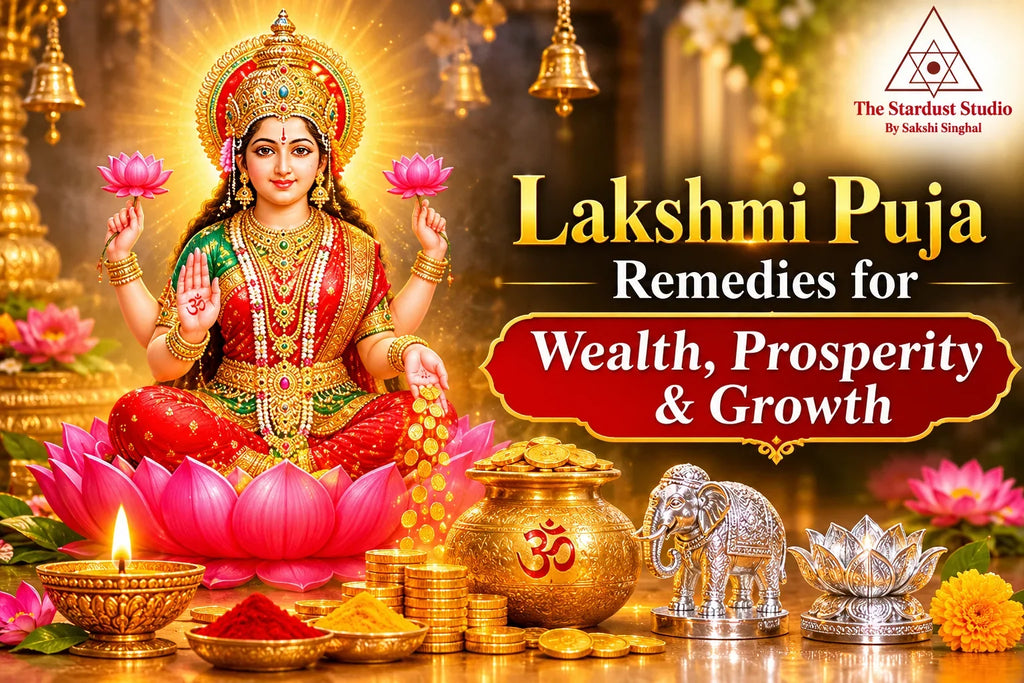
Goddess Lakshmi holds a sacred place in Hindu traditions as the deity of wealth, prosperity, abundance and auspiciousness. Her worship is especially significant during Diwali, Dhanteras, Fridays and other occasions associated with household well-being and new beginnings.
For generations, devotees have followed different Lakshmi Puja remedies for wealth, combining prayers, traditional offerings, sacred symbols and Vastu-inspired practices to express their hopes for financial stability and prosperity.
These rituals are not limited to elaborate ceremonies. Simple practices such as lighting a diya, maintaining a clean home mandir, chanting Lakshmi mantras and keeping auspicious devotional objects can form part of a meaningful spiritual routine.
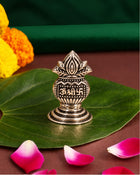
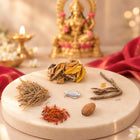
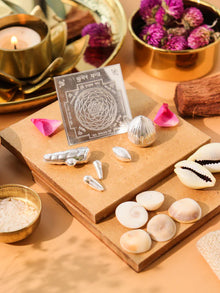
Some contemporary traditions also incorporate sacred objects such as Kuber Yantra, Silver Maha Lakshmi Charan Paduka, Lakshmi Yog Potli, Gomti Chakra, Kamal Gatta Mala and Silver Lakshmi Ganesh Idol.
Each carries distinct religious or spiritual symbolism. A Kuber Yantra is associated with Lord Kuber and wealth, while Silver Maha Lakshmi Charan Paduka represents the sacred footprints of Goddess Lakshmi. A Lakshmi Yog Potli symbolizes prosperity-focused intentions, and Gomti Chakra is used in certain folk practices associated with auspiciousness.
Similarly, Kamal Gatta Mala is traditionally associated with lotus seeds and Lakshmi worship, while a Silver Lakshmi Ganesh Idol brings together the symbolism of prosperity and wisdom.
But which Diwali Lakshmi Puja remedies are traditionally followed? What are the commonly suggested Lakshmi Puja Vastu remedies, and how can devotees incorporate these sacred objects into home worship?
This complete guide explores traditional Lakshmi Puja remedies for financial growth, their spiritual meaning, step-by-step methods, placement recommendations and important considerations.
Disclaimer: The remedies discussed in this article reflect Hindu devotional traditions, regional customs and contemporary Vastu beliefs. They are not scientifically established methods of attracting money, eliminating debt or guaranteeing financial success. Financial well-being depends on practical factors such as income, savings, budgeting and responsible decisions.
Why Is Goddess Lakshmi Worshipped for Prosperity?
Goddess Lakshmi is traditionally associated with wealth, abundance, fortune and household well-being.
In Hindu devotional traditions, prosperity is often understood more broadly than money alone.
It may include:
- Financial resources
- Food and nourishment
- Household stability
- Family well-being
- Auspiciousness
- Gratitude
- Responsible use of wealth
Lakshmi Puja expresses prayers for these forms of abundance.
During Diwali, many households worship Goddess Lakshmi alongside Lord Ganesha, who symbolizes wisdom and auspicious beginnings.
Their combined symbolism emphasizes the importance of prosperity guided by intelligence and good judgment.
What Are Lakshmi Puja Remedies?
Lakshmi Puja remedies are devotional or symbolic practices associated with Goddess Lakshmi and prosperity-focused intentions.
Depending on the tradition, they may include:
- Lighting a diya
- Chanting Lakshmi mantras
- Offering lotus flowers
- Using Kamal Gatta Mala for Japa
- Keeping auspicious symbols
- Performing Lakshmi-Ganesha Puja
- Practising charity
- Maintaining a clean home mandir
- Following certain Vastu-inspired placement customs
These practices differ across regions and households.
Not every remedy is prescribed in classical religious texts, and contemporary prosperity rituals should not automatically be treated as universal Hindu requirements.
9 Traditional Lakshmi Puja Remedies for Wealth and Prosperity
The following practices are commonly associated with Lakshmi worship, auspiciousness and prosperity symbolism.
1. Worship Goddess Lakshmi and Lord Ganesha Together
One of the most familiar Lakshmi Puja remedies for wealth is performing Lakshmi-Ganesha Puja during Diwali.
Goddess Lakshmi represents prosperity, while Lord Ganesha symbolizes wisdom and the removal of obstacles.
How to Perform
- Clean your home mandir.
- Place a suitable Lakshmi-Ganesha idol or image on an elevated platform.
- Light a diya safely.
- Offer flowers, Kumkum and Akshat.
- Chant the appropriate mantras.
- Offer suitable bhog.
- Complete the worship with Aarti.
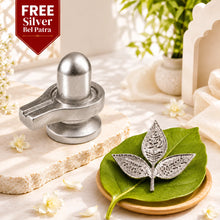
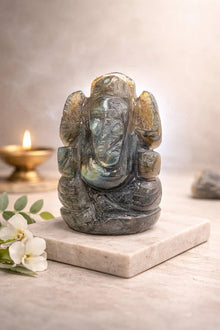
A Silver Lakshmi Ganesh Idol can serve as a permanent devotional representation.
Traditional Significance
The combined worship symbolizes prosperity accompanied by wisdom, responsible decisions and auspicious beginnings.
2. Keep Silver Maha Lakshmi Charan Paduka in Your Home Mandir
Silver Maha Lakshmi Charan Paduka represents the sacred footprints of Goddess Lakshmi.
In many household traditions, Lakshmi footprints are associated with welcoming auspiciousness into the home.
How to Use
- Choose a clean home-mandir shelf or protected entrance arrangement.
- Gently clean the silver footprints.
- Place them respectfully on a stable surface.
- Offer prayers according to your household tradition.
- Maintain the area regularly.
Some households arrange the footprints to symbolically lead inward toward the home.
Traditional Significance
The footprints represent the devotional intention of welcoming Goddess Lakshmi and auspiciousness.
They should not be treated as a guarantee of increased income.
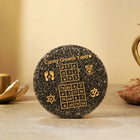
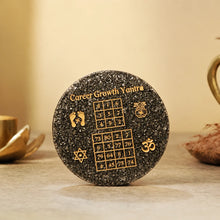
3. Place Kuber Yantra in a Dedicated Puja Area
A Kuber Yantra is associated with Lord Kuber, traditionally revered as the guardian of wealth and treasures.
In certain contemporary Vastu practices, Kuber-related objects are placed in the northern area of the home.
How to Use
- Clean your puja space.
- Place the Yantra respectfully on a stable surface.
- Follow the installation or worship instructions appropriate to its design.
- Offer prayers to Lord Kuber according to your tradition.
- Keep the Yantra clean and protected.
Traditional Significance
The Yantra symbolizes prosperity, preservation of resources and financial responsibility.
Its placement does not guarantee wealth or business success.
4. Use Kamal Gatta Mala for Lakshmi Mantra Japa
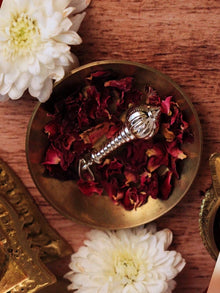
Kamal Gatta Mala is a traditional Japa Mala made from lotus seeds.
The lotus is strongly associated with Goddess Lakshmi and symbolizes purity, beauty and spiritual growth.
How to Use
- Sit in a clean and peaceful location.
- Hold the Mala according to your devotional tradition.
- Chant a Lakshmi mantra.
- Complete your chosen number of repetitions.
- Store the Mala respectfully after use.
A commonly recited mantra is:
ॐ श्रीं महालक्ष्म्यै नमः॥
Om Shreem Mahalakshmyai Namah
Traditional Significance
Kamal Gatta Mala connects the symbolism of the lotus with the devotional practice of mantra Japa.
The Mala supports a structured prayer routine rather than directly generating financial outcomes.
5. Keep Gomti Chakra in a Lakshmi-Inspired Puja Arrangement
Gomti Chakra is a natural shell-like object with a distinctive spiral pattern.
It is associated with auspiciousness and Goddess Lakshmi in certain Indian folk traditions.
How to Use
- Clean the puja area.
- Place the Gomti Chakra on a suitable plate or inside a small pouch.
- Keep it near a Lakshmi-inspired devotional arrangement where appropriate.
- Perform your regular Lakshmi Puja.
- Store it safely after worship.
Traditional Significance
Gomti Chakra symbolizes prosperity and auspiciousness in certain folk practices.
It is not a universally required Lakshmi Puja ingredient.
6. Include Lakshmi Yog Potli in Your Spiritual Collection
A Lakshmi Yog Potli is a contemporary prosperity-inspired devotional pouch.
Its exact ingredients and construction depend on the product.
The term is generally associated with Goddess Lakshmi and abundance-related intentions.
How to Use
- Review the product's ingredients and safety instructions.
- Keep the Potli sealed unless the manufacturer specifically instructs otherwise.
- Place it in a suitable, protected devotional location.
- Offer prayers according to your household tradition.
- Keep it away from children, pets, flames and moisture where required.
Traditional Significance
The Potli represents prosperity-focused intentions and auspiciousness.
It is not a guaranteed method of attracting money.
7. Light a Diya During Lakshmi Puja
Lighting a diya is one of the most familiar practices in Hindu worship.
A diya represents light, knowledge, devotion and auspiciousness.
How to Perform
- Choose a suitable diya.
- Add the appropriate wick and lamp fuel.
- Place it on a stable, heat-resistant surface.
- Light it safely.
- Continue with your regular Lakshmi Puja.
Traditional Significance
The diya symbolizes the movement from darkness toward light and awareness.
Never leave a burning diya unattended.
8. Maintain a Clean and Respectful Home Mandir
Cleanliness is an important part of preparing for Lakshmi Puja.
Some Vastu traditions also emphasize maintaining a clutter-free entrance and prayer space.
How to Practise
- Remove unnecessary clutter.
- Clean the puja shelf.
- Arrange devotional objects respectfully.
- Keep offerings fresh.
- Maintain suitable lighting and ventilation.
Traditional Significance
A clean environment symbolizes care, order and auspicious preparation.
It also offers practical benefits for comfort and hygiene.
9. Practise Charity and Gratitude
Lakshmi Puja is not limited to material objects.
Acts of generosity and gratitude can be meaningful expressions of devotion.
How to Practise
Consider donating food, clothing or useful essentials according to your ability.
You may also reflect on your financial resources and make responsible decisions about saving, spending and giving.
Traditional Significance
Charity and gratitude reflect the understanding that prosperity includes responsibility toward others.
Diwali Lakshmi Puja Remedies: Step-by-Step Home Ritual
A simple Diwali Lakshmi Puja remedies routine may include the following.
Step 1: Prepare the Puja Space
Clean your home mandir and arrange the necessary materials.
Step 2: Establish Lakshmi-Ganesha
Place the idols or images respectfully.
A Silver Lakshmi Ganesh Idol can become the central devotional representation.
Step 3: Arrange Auspicious Objects
Where appropriate, keep Silver Maha Lakshmi Charan Paduka, Kuber Yantra, Gomti Chakra and Lakshmi Yog Potli in suitable locations.
Avoid overcrowding the altar.
Step 4: Light a Diya
Light a diya safely and maintain fire precautions.
Step 5: Offer Flowers and Bhog
Offer suitable flowers, fruits and sweets according to household tradition.
Step 6: Chant Lakshmi Mantra
Use Kamal Gatta Mala for Japa if this aligns with your practice.
Step 7: Perform Aarti
Complete the worship with Aarti and prayer.
Step 8: Maintain the Devotional Arrangement
After Puja, keep permanent objects clean and respectfully arranged.
Lakshmi Puja Vastu Remedies for Home
The commonly discussed Lakshmi Puja Vastu remedies focus on auspicious placement, cleanliness and the organization of devotional spaces.
North-East Direction – For Spiritual Worship
The North-East, also known as Ishan Kon, is commonly associated with prayer and spiritual activities.
A home mandir in this area may be considered suitable in many Vastu traditions.
North Direction – For Kuber Symbolism
The North is traditionally associated with Lord Kuber.
Some contemporary Vastu practitioners recommend placing Kuber-related objects in this direction.
Entrance Area – For Auspiciousness
A clean entrance is commonly emphasized in Diwali and Vastu-inspired household traditions.
Silver Maha Lakshmi Charan Paduka may be placed in a protected location according to family custom.
Home Mandir – For Lakshmi-Ganesha Worship
A clean, elevated altar is generally appropriate for devotional idols and Yantras.
Cash Locker – For Prosperity Symbolism
Some contemporary practices involve keeping auspicious objects near financial documents or cash storage.
If following this custom, use a protected compartment and avoid placing delicate objects where they may be damaged.
These are traditional recommendations rather than scientifically established financial remedies.
How to Arrange Lakshmi Puja Products at Home
A simple devotional arrangement can include:
Centre: Silver Lakshmi Ganesh Idol.
Near Goddess Lakshmi: Silver Maha Lakshmi Charan Paduka.
Dedicated Yantra Area: Kuber Yantra.
Puja Plate: Gomti Chakra, where traditionally used.
Protected Devotional Storage: Lakshmi Yog Potli.
Japa Area: Kamal Gatta Mala.
The exact arrangement should follow household tradition and the available space.
Lakshmi Puja Remedies for Financial Growth: What Do They Symbolize?
The phrase Lakshmi Puja remedies for financial growth commonly refers to prosperity-related spiritual practices.
Their symbolism may include:
- Gratitude : Appreciating the resources already available.
- Discipline : Maintaining a consistent devotional routine.
- Wisdom : Making thoughtful decisions about money.
- Responsibility : Using wealth ethically and carefully.
- Generosity : Sharing resources where possible.
Actual financial growth depends on factors such as income, savings, business performance, investment decisions and responsible financial management.
Can Lakshmi Puja Remedies Remove Financial Problems?
There is no scientific evidence that devotional objects or rituals directly eliminate debt, increase income or guarantee financial success.
However, religious practices can carry personal and cultural meaning.
If you're facing financial difficulties, practical steps such as reviewing expenses, building an emergency fund and seeking appropriate financial advice are important.
Spiritual routines may complement these actions as expressions of faith and intention.
Are Lakshmi Puja Remedies Only for Diwali?
No. Lakshmi worship may be performed throughout the year according to household tradition.
Some devotees observe Lakshmi-focused worship on:
- Fridays
- Purnima
- Dhanteras
- Diwali
- Other auspicious occasions
The specific practices vary across communities.
Can Kuber Yantra and Lakshmi Ganesh Idols Be Kept Together?
Yes. A Kuber Yantra can remain in a Lakshmi-inspired home mandir where this aligns with household tradition.
However, the Yantra's ritual significance and installation method may differ from those of an idol.
Follow appropriate guidance for formal Yantra worship.
Can Gomti Chakra Be Kept with Lakshmi Yog Potli?
Yes, where this arrangement aligns with your household spiritual practice.
Both may be associated with prosperity symbolism in contemporary traditions.
However, their ingredients, construction and intended uses differ.
Keep the Potli sealed and follow its specific safety instructions.
Can Kamal Gatta Mala Be Used Daily?
Yes. A Kamal Gatta Mala may be used for regular Lakshmi mantra Japa according to personal devotional practice.
Keep the Mala clean and dry, and store it respectfully after use.
Common Mistakes When Following Lakshmi Puja Remedies
Expecting Instant Wealth
Devotional practices are not guaranteed financial remedies.
Following Conflicting Vastu Rules
Choose one consistent household tradition.
Buying Without Checking Product Details
Review material, size, ingredients and care instructions.
Overcrowding the Home Mandir
Keep the primary deity and prescribed offerings as the focus.
Ignoring Safety
Keep flames supervised and handle Potlis according to their ingredients.
Neglecting Financial Planning
Practical financial habits remain essential for long-term stability.
Why Explore The Stardust Studio for Lakshmi Puja Essentials?
At The Stardust Studio, our spiritual collection brings together devotional symbolism and thoughtfully crafted products inspired by Goddess Lakshmi, Lord Ganesha and Lord Kuber.
For Lakshmi Puja and your permanent home mandir, explore:
Kuber Yantra – a traditional symbol associated with Lord Kuber and wealth.
Silver Maha Lakshmi Charan Paduka – sacred footprints symbolizing the welcoming of Goddess Lakshmi.
Lakshmi Yog Potli – a prosperity-inspired devotional pouch.
Gomti Chakra – a traditional object associated with auspiciousness in certain folk practices.
Kamal Gatta Mala – a lotus-seed Mala used in Lakshmi-focused mantra Japa.
Silver Lakshmi Ganesh Idol – combining prosperity and wisdom symbolism.
These products can complement a meaningful devotional collection while Goddess Lakshmi, Lord Ganesha, prayer and traditional offerings remain central to Lakshmi Puja.
Final Thoughts
Lakshmi Puja remedies for prosperity have been followed in Hindu devotional traditions for generations. From lighting diyas and chanting sacred mantras to offering flowers and maintaining a clean home mandir, these practices symbolize devotion, gratitude, auspiciousness and the desire for household well-being.
The traditional Lakshmi Puja remedies for wealth emphasize the importance of welcoming Goddess Lakshmi's blessings while maintaining wisdom, discipline and responsible financial habits.
For devotees exploring Lakshmi Puja remedies for financial growth, meaningful spiritual objects such as Kuber Yantra, Silver Maha Lakshmi Charan Paduka, Lakshmi Yog Potli, Gomti Chakra, Kamal Gatta Mala and Silver Lakshmi Ganesh Idol can complement a Lakshmi-inspired devotional collection.
Whether you follow Diwali Lakshmi Puja remedies during the festive season or incorporate Lakshmi Puja Vastu remedies into your regular home-mandir arrangement, remember that these practices are rooted in faith and traditional symbolism rather than guaranteed financial outcomes.
At The Stardust Studio, our devotional collection brings together meaningful spiritual products designed to complement home worship, festive celebrations and auspicious gifting.
Explore the Lakshmi Puja Essentials at The Stardust Studio and choose devotional pieces that reflect your beliefs and traditions.
FAQs
1. What are the traditional Lakshmi Puja remedies for wealth?
2. Which Lakshmi Puja remedies are followed for financial growth?
3. What are the most common Diwali Lakshmi Puja remedies?
4. What are Lakshmi Puja Vastu remedies for home?
5. Which day is considered auspicious for Lakshmi Puja remedies?


