














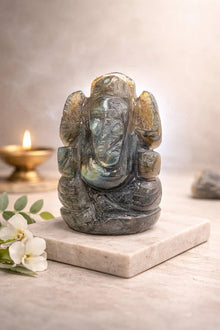
Why Are Lakshmi and Ganesha Worshipped Together on Diwali?

Diwali, the festival of lights, is one of the most important Hindu celebrations associated with prosperity, happiness, auspiciousness and new beginnings. During Diwali, millions of Hindu households perform Lakshmi-Ganesha Puja, offering prayers to Goddess Lakshmi and Lord Ganesha together.
But have you ever wondered why Goddess Lakshmi is worshipped with Lord Ganesha on Diwali, even though they represent different divine qualities?
Goddess Lakshmi is revered as the deity of wealth, prosperity, abundance and good fortune, while Lord Ganesha is traditionally worshipped as the remover of obstacles and the deity of wisdom and auspicious beginnings.
Their combined worship reflects an important spiritual principle: prosperity becomes more meaningful when accompanied by wisdom, good judgment and the ability to overcome obstacles.
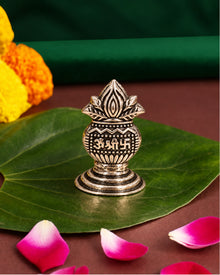
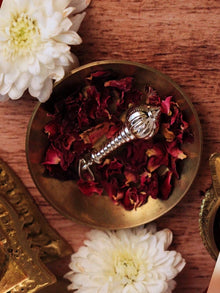
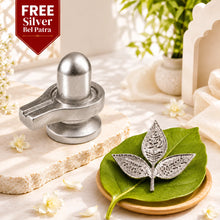
During Diwali, devotees prepare their home mandirs with diyas, flowers, traditional offerings and sacred objects. Devotional pieces such as a Silver Lakshmi Ganesh Idol, Silver Maha Lakshmi Charan, Silver Kalash, Silver Diya and Kuber Yantra can complement a traditional Lakshmi-Ganesha Puja arrangement.
A Silver Lakshmi Ganesh Idol represents the two deities together, while Silver Maha Lakshmi Charan symbolizes welcoming Goddess Lakshmi into the home. A Silver Kalash carries the symbolism of purity and abundance, and a Silver Diya represents the sacred offering of light. A Kuber Yantra may also be included in prosperity-focused devotional arrangements according to household tradition.
This guide explores the religious meaning, traditional stories, symbolism, puja vidhi and spiritual significance of worshipping Lakshmi and Ganesha together on Diwali.
Note: Hindu traditions vary across regions and sampradayas. The stories and interpretations discussed below reflect widely shared devotional beliefs rather than one universally prescribed explanation.
Who Are Goddess Lakshmi and Lord Ganesha?
Understanding the significance of their combined worship begins with the distinct roles of both deities.
Goddess Lakshmi – The Deity of Wealth and Prosperity
Goddess Lakshmi is one of the most revered deities in Hindu traditions.
She is associated with:
- Wealth and prosperity
- Abundance
- Auspiciousness
- Good fortune
- Household well-being
- Beauty and harmony
Her worship reflects prayers for both material and spiritual prosperity.
Lord Ganesha – The Deity of Wisdom and Auspicious Beginnings
Lord Ganesha, also known as Ganapati and Vighnaharta, is traditionally invoked at the beginning of important ceremonies.
He represents:
- Wisdom
- Intellect
- Learning
- Auspicious beginnings
- Removal of obstacles
- Good judgment
Together, Lakshmi and Ganesha symbolize the balance between prosperity and wisdom.
Why Is Lakshmi Worshipped With Ganesha on Diwali?
There are several traditional and symbolic explanations for the combined worship of Goddess Lakshmi and Lord Ganesha.
1. Prosperity Should Be Guided by Wisdom
One of the most widely shared interpretations is that wealth alone is not enough for a fulfilling life.
Goddess Lakshmi represents prosperity, while Lord Ganesha represents wisdom.
Their combined worship symbolizes the importance of using wealth responsibly and making thoughtful decisions.
For example, earning money may create opportunities, but wise financial management helps preserve those resources.
2. Lord Ganesha Is Worshipped Before Auspicious Ceremonies
Lord Ganesha is traditionally invoked at the beginning of many Hindu rituals.
As Vighnaharta, he is associated with the removal of obstacles.
During Diwali Lakshmi Puja, his worship reflects the desire for auspicious beginnings and a smooth devotional ceremony.
3. Lakshmi Represents Abundance and Ganesha Represents Good Judgment
Lakshmi's symbolism includes material and spiritual abundance.
Ganesha's symbolism includes intelligence, learning and discernment.
Together, they represent the idea that prosperity should be accompanied by responsibility.
4. Their Worship Reflects Household Well-Being
Diwali is a festival associated with family, gratitude and auspiciousness.
Lakshmi-Ganesha Puja expresses prayers for prosperity, wisdom, harmony and well-being within the household.
5. The Tradition Is Deeply Established in Diwali Worship
Lakshmi-Ganesha worship has become a familiar feature of Diwali celebrations in many regions, particularly North India.
However, Diwali rituals vary across communities, and not every Hindu household follows the same deity arrangement or Puja Vidhi.
The Traditional Story Behind Lakshmi and Ganesha Worship
A popular devotional story explains why Goddess Lakshmi and Lord Ganesha are worshipped together.
According to one folk narrative, Goddess Lakshmi became concerned that prosperity alone might lead people toward pride or attachment to wealth.
Lord Ganesha, representing wisdom and good judgment, became associated with her worship so that abundance would be accompanied by intelligence and responsibility.
Some retellings describe Goddess Lakshmi accepting Ganesha as a son-like figure and blessing the tradition of worshipping them together.
However, this is a popular devotional explanation rather than a single universally accepted scriptural account.
The story's central message is that wealth and wisdom should remain connected.
Why Is Lord Ganesha Worshipped First During Diwali Puja?
Lord Ganesha is commonly worshipped before other deities during many Hindu ceremonies.
He is known as Vighnaharta, the remover of obstacles.
Invoking Ganesha at the beginning of Diwali Puja symbolizes a prayer for auspiciousness and the removal of difficulties.
A common devotional sequence includes:
- Preparing the puja space.
- Invoking Lord Ganesha.
- Performing Goddess Lakshmi Puja.
- Offering flowers and bhog.
- Chanting mantras.
- Completing Aarti.
The exact sequence varies according to family tradition.
Spiritual Significance of Lakshmi-Ganesha Puja
The combined worship of Lakshmi and Ganesha carries several layers of meaning.
- Wealth and Wisdom : Prosperity is most meaningful when guided by responsible decisions.
- Auspicious Beginnings : Ganesha's presence symbolizes the importance of beginning activities with prayer and clarity.
- Gratitude : Lakshmi Puja encourages appreciation for the resources that sustain a household.
- Harmony : The combined symbolism represents the importance of balancing material and spiritual priorities.
- Responsibility : The worship can serve as a reminder to use resources thoughtfully and ethically.
Why Are Silver Lakshmi Ganesh Idols Popular During Diwali?
A Silver Lakshmi Ganesh Idol is a meaningful devotional piece because it represents the two principal deities worshipped together during Diwali in many households.
Silver has a longstanding place in Indian religious and ceremonial traditions.
Silver Lakshmi Ganesh Idols can be kept in a home mandir and used during Diwali Lakshmi Puja according to household custom.
Their symbolism combines:
- Goddess Lakshmi's association with prosperity
- Lord Ganesha's association with wisdom
- Silver's traditional ceremonial significance
- The idea of auspicious beginnings
A silver idol set can also remain in the home mandir throughout the year.
How to Perform Lakshmi-Ganesha Puja on Diwali at Home
A simple Diwali Lakshmi-Ganesha Puja can be performed according to household tradition.
Step 1: Clean the Home Mandir
Prepare a clean and peaceful devotional space.
Arrange the puja thali, flowers, diya and other materials.
Step 2: Place Lakshmi-Ganesha Idols
Position the idols respectfully on an elevated platform.
A Silver Lakshmi Ganesh Idol can serve as the central devotional representation.
Step 3: Arrange the Kalash
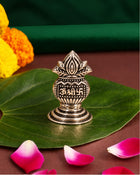
A Silver Kalash can complement the altar.
If the ritual requires a functional water-filled Kalash, ensure that the vessel is designed for that purpose.
Step 4: Light the Diya
A Silver Diya designed for flame use may be used during the puja.
Keep it on a stable, heat-resistant surface.
Step 5: Worship Lord Ganesha
Begin with Ganesha prayers according to your family tradition.
Step 6: Perform Goddess Lakshmi Puja
Offer flowers, Kumkum, Akshat and other customary materials.
Step 7: Offer Bhog
Offer suitable fruits or sweets.
Step 8: Chant Mantras
Chant Lakshmi and Ganesha mantras according to your devotional practice.
Step 9: Perform Aarti
Complete the worship with Aarti and prayer.
Lakshmi and Ganesha Mantras for Diwali
Lord Ganesha Mantra
ॐ गं गणपतये नमः॥
Om Gam Ganapataye Namah
This is a commonly recited invocation associated with Lord Ganesha.
Goddess Lakshmi Mantra
ॐ श्रीं महालक्ष्म्यै नमः॥
Om Shreem Mahalakshmyai Namah
This mantra is commonly used in Lakshmi-focused devotional practice.
Significance of Silver Maha Lakshmi Charan During Diwali
Silver Maha Lakshmi Charan represents the sacred footprints of Goddess Lakshmi.
In many household traditions, Lakshmi footprints symbolize welcoming auspiciousness and prosperity into the home.
They may be kept in a home mandir or respectfully arranged near the entrance according to family custom.
If following the inward-facing footprint tradition, position them to symbolically represent Goddess Lakshmi entering the home.
Avoid placing permanent silver footprints where they may be stepped on.
Why Is a Silver Kalash Used in Lakshmi Puja?
The Kalash is one of the most recognizable symbols in Hindu worship.
It represents:
- Purity
- Abundance
- Auspiciousness
- Sacred preparation
- Divine blessings
A Silver Kalash can become part of a permanent home-mandir collection.
However, a miniature decorative Kalash should not automatically replace the functional vessel required for formal Kalash Sthapana.
Significance of Silver Diya During Diwali
Lighting diyas is central to Diwali celebrations.
A diya symbolizes light, knowledge, devotion and the movement from darkness toward awareness.
A Silver Diya combines this traditional symbolism with a lasting silver devotional object.
It can be used during home worship if specifically designed for flame use.
Always keep the flame supervised and away from flammable materials.
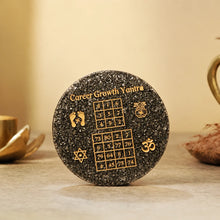
What Is the Role of Kuber Yantra During Diwali Puja?
Lord Kuber is traditionally associated with wealth and treasures in Hindu mythology.
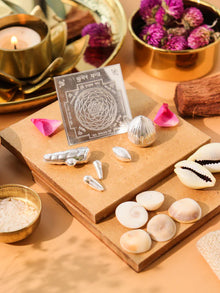
A Kuber Yantra is used in certain prosperity-focused devotional traditions.
Some households include Kuber worship alongside Lakshmi Puja during the Diwali period.
The Yantra may be kept respectfully in a dedicated puja area.
However, it is not a compulsory ingredient of every Diwali Lakshmi-Ganesha Puja.
Where Should Lakshmi and Ganesha Idols Be Placed at Home?
A clean and elevated home mandir is one of the most appropriate locations.
In many Vastu traditions, the North-East or Ishan Kon is associated with prayer and spiritual activities.
Other arrangements may be followed depending on the household's layout and devotional tradition.
Avoid placing idols:
- Directly on the floor
- Near footwear
- In bathrooms
- Near waste bins
- In neglected storage areas
- Where they may be accidentally damaged
Which Side Should Goddess Lakshmi and Lord Ganesha Be Placed?
Different household and regional traditions follow different arrangements.
Some families use combined Lakshmi-Ganesha idol sets, while others place separate idols.
The relative left-right placement may vary depending on the tradition and whether the arrangement is described from the worshipper's perspective or the deities' perspective.
Follow your family custom or priest's guidance rather than assuming one online rule is universal.
Can Lakshmi-Ganesha Idols Be Kept Permanently at Home?
Yes. Silver Lakshmi Ganesh Idols can remain in a home mandir throughout the year.
They do not need to be replaced after every Diwali.
Keep them clean, dry and respectfully arranged.
Why Is Goddess Saraswati Sometimes Worshipped With Lakshmi and Ganesha?
In some households, Goddess Saraswati is also worshipped during Diwali.
Saraswati represents knowledge, learning, music and wisdom.
Her presence alongside Lakshmi and Ganesha can symbolize the importance of balancing prosperity, intellect and knowledge.
However, the exact deity arrangement varies across regions and traditions.
Is Lakshmi-Ganesha Puja Performed Only on Diwali?
No. Although their combined worship is particularly prominent during Diwali, Lakshmi and Ganesha may also be worshipped during:
- Dhanteras
- Housewarming
- New business ceremonies
- Weddings
- Other auspicious occasions
- Regular home puja
The exact practices depend on household tradition.
Best Silver Puja Essentials for Diwali
For families preparing a home mandir, the following silver devotional products can complement the traditional puja arrangement.
Silver Lakshmi Ganesh Idol
A central devotional representation combining prosperity and wisdom.
Silver Maha Lakshmi Charan
Sacred footprints associated with welcoming Goddess Lakshmi.
Silver Kalash
A traditional symbol of purity, abundance and auspiciousness.
Silver Diya
A lasting devotional lamp for suitable home worship.
Kuber Yantra
A prosperity-associated Yantra used in certain Kuber-focused devotional traditions.
These products can become part of a permanent home-mandir collection.
Silver Lakshmi Ganesh Idols as Diwali Gifts
Silver Lakshmi Ganesh Idols can make meaningful traditional gifts for:
- Diwali
- Dhanteras
- Housewarming
- Weddings
- New business
- New office
- Religious celebrations
Their symbolism makes them suitable for people who appreciate Hindu devotional traditions.
Common Mistakes During Lakshmi-Ganesha Puja
Focusing Only on Wealth
The combined symbolism emphasizes wisdom alongside prosperity.
Following Conflicting Idol Placement Rules
Choose one consistent household tradition.
Treating Silver Products as Mandatory
Silver devotional objects can complement the altar but are not compulsory for every Puja Vidhi.
Using a Decorative Kalash as a Functional Vessel
Check whether the product is designed to hold water.
Ignoring Fire Safety
Always supervise diyas and other flames.
Why Explore The Stardust Studio for Diwali Puja Essentials?
At The Stardust Studio, our silver devotional collection brings together traditional symbolism with thoughtfully crafted spiritual products.
For Diwali Lakshmi-Ganesha Puja, explore:
Silver Lakshmi Ganesh Idol – representing prosperity guided by wisdom.
Silver Maha Lakshmi Charan – sacred footprints symbolizing the welcoming of Goddess Lakshmi.
Silver Kalash – a traditional symbol of purity and abundance.
Silver Diya – a lasting lamp associated with devotion and light.
Kuber Yantra – a devotional object associated with Lord Kuber and prosperity-focused worship.
These pieces can complement your Diwali Puja arrangement and remain part of your spiritual collection throughout the year.
Final Thoughts
The tradition of worshipping Goddess Lakshmi with Lord Ganesha on Diwali carries a timeless spiritual message: prosperity is most meaningful when guided by wisdom, gratitude and responsible action.
Goddess Lakshmi represents wealth, abundance and auspiciousness, while Lord Ganesha symbolizes intellect, good judgment and the removal of obstacles. Together, their worship reflects the importance of balancing material success with spiritual values.
For your Diwali home mandir, meaningful devotional essentials such as Silver Lakshmi Ganesh Idol, Silver Maha Lakshmi Charan, Silver Kalash, Silver Diya and Kuber Yantra can complement your traditional puja arrangements.
A Silver Lakshmi Ganesh Idol symbolizes the sacred union of prosperity and wisdom, while Silver Maha Lakshmi Charan represents the welcoming of Goddess Lakshmi's blessings. A Silver Kalash signifies purity and abundance, and a Silver Diya represents the triumph of light over darkness. Similarly, a Kuber Yantra carries traditional associations with wealth and financial prosperity.
At The Stardust Studio, our thoughtfully crafted silver devotional collection brings together traditional symbolism and elegant designs, making these spiritual essentials suitable for Diwali Puja, home temples and auspicious gifting.
FAQs
1. Why is Goddess Lakshmi worshipped with Lord Ganesha on Diwali?
2. Why is Lord Ganesha worshipped first during Lakshmi Puja?
3. What is the story behind Lakshmi and Ganesha worship?
4. Can Silver Lakshmi Ganesh Idols be used during Diwali Puja?
5. Where should Lakshmi and Ganesha idols be placed at home?


